

This post contains affiliate links. I may earn a small commission if you purchase through these links, at no extra cost to you.
When comparing ribeye vs rib steak, you’re looking at two nearly identical cuts with one crucial difference: the bone. The main difference between ribeye and rib steak is that rib steak is bone-in while ribeye is boneless—both come from the same primal cut (ribs 6-12), but the bone affects cooking time, presentation, and price. I didn’t know this distinction myself until recently, so I’m here to share everything I’ve learned about these premium beef cuts—including which one gives you better value for your money in 2026 and how to cook each one perfectly!
Finding the right cut of beef to take home can be a little stressful, especially if you don’t have a ton of time at the meat counter – or a skilled and friendly butcher behind the counter that can point you in the right direction.
It’s not just that there are so many different cuts of beef to choose from, either. It’s that many of these cuts look almost identical, have very similar names, but can cook up completely different – and taste completely different than what you are expecting.
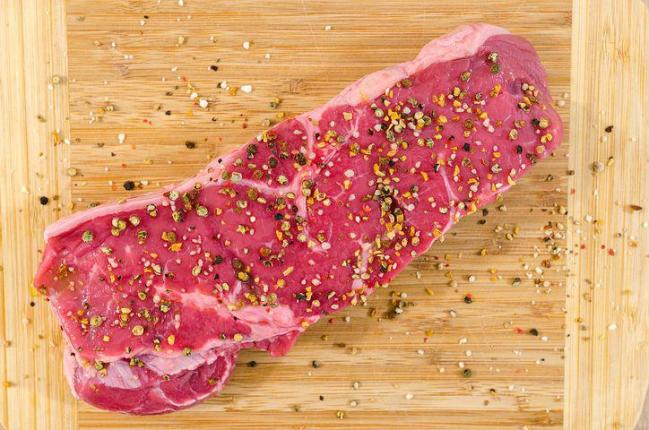
Ribeye vs Rib Steak: Quick Comparison Table
Before we dive into all the details, here’s a quick reference table that breaks down the key differences between these two premium cuts:
| Feature | Ribeye Steak | Rib Steak |
|---|---|---|
| Bone Status | Boneless | Bone-in |
| Price per Pound (2026) | $15-$25 (Choice), $25-$35 (Prime) | $18-$28 (Choice), $28-$40 (Prime) |
| Cooking Time | 8-12 minutes total | 12-16 minutes total |
| Best Cooking Method | Pan-searing, grilling, sous vide | Grilling, reverse sear, oven roasting |
| Beginner Friendliness | 8/10 (easier to cook evenly) | 6/10 (requires bone awareness) |
The Main Difference Between Ribeye Steak and Rib Steak
No, you haven’t gone crazy. There really is a difference between ribeye steak and rib steak, and it’s not just how these cuts of beef are described by your local butcher or supermarket. They are completely distinct cuts from one another, even if the thing that separates them might not look like that big of a deal on the surface.
Understanding the Bone-In vs Boneless Difference
You see, the difference between ribeye steak and rib steak is that one of them – the rib steak – still has the bone from the cow’s rib still attached. The ribeye has no bone attached, but is instead boneless.
That’s it! That’s really all there is to separate the ribeye steak from the rib steak.
The rib steak is a little closer to the primal cut, basically the “raw material” that butchers work with when they trim, size, and shape the cuts that they sell to their customers. Both cuts come from the same location on the cow – the rib section, specifically ribs six through twelve – which is why they share identical marbling, texture, and flavor profiles.
Where These Cuts Come From
Both ribeye and rib steak are cut from the beef rib primal, which sits between the chuck (shoulder) and the short loin. This section of the cow doesn’t get much exercise, which is why these steaks are so incredibly tender. The rib primal contains the longissimus dorsi muscle, also known as the “eye” of the ribeye, along with the spinalis dorsi (the cap) and complexus muscles.
When a butcher breaks down a standing rib roast (also called prime rib), they can cut it into individual steaks. If they leave the bone in, you get a rib steak. If they remove the bone, you get a ribeye. Simple as that!
2026 Pricing Analysis: Which Cut Gives You Better Value?
Let’s talk money, because these premium cuts aren’t cheap. In 2026, beef prices have continued their upward trend, making it even more important to understand what you’re actually paying for.
Here’s what I’ve found at butcher shops and grocery stores across the country: ribeye steaks typically run $15-$25 per pound for Choice grade and $25-$35 for Prime. Rib steaks cost slightly more—$18-$28 for Choice and $28-$40 for Prime. But here’s the catch: you’re paying for bone weight with rib steak.
The Bone Weight Factor
A typical rib steak weighs 16-20 ounces total, but 3-4 ounces of that is bone. So if you’re paying $30 per pound for a 20-ounce rib steak, you’re spending about $37.50 total, but only getting about 16 ounces of actual meat. That works out to roughly $37.50 for a pound of edible steak.
Meanwhile, a 16-ounce boneless ribeye at $28 per pound costs you exactly $28, and every ounce is edible. From a pure cost-per-edible-ounce perspective, boneless ribeye often delivers better value—especially if you’re not interested in gnawing on the bone or using it for stock.
Regional Price Variations in 2026
Prices vary significantly by region. In my experience shopping around the country, Midwest butchers and grocery stores tend to offer the best prices, with Choice ribeyes sometimes dipping to $14-$16 per pound at warehouse clubs. Coastal cities like San Francisco, New York, and Seattle see prices 30-50% higher, with Prime cuts easily hitting $40+ per pound.
Your best bet for value? Buy from a local butcher during sales, purchase whole ribeye roasts and cut your own steaks, or shop at Costco or Sam’s Club where Prime grade is often priced at what other stores charge for Choice.
Understanding Beef Grades and Marbling
Whether you choose ribeye or rib steak, understanding beef grades is crucial for getting the best value and flavor. The USDA grades beef based on marbling (intramuscular fat) and maturity, with three main grades available at retail:
USDA Grading System Explained
Prime Grade: This is the top tier, representing only about 2-3% of all beef produced. Prime ribeyes and rib steaks feature abundant marbling throughout the meat, creating that buttery, melt-in-your-mouth texture we all crave. In 2026, expect to pay $25-$40 per pound depending on your location and whether you choose bone-in or boneless.
Choice Grade: This is the most common grade you’ll find at grocery stores and represents excellent quality at a more accessible price point. Choice cuts still have significant marbling, just not as abundant as Prime. The price difference can be substantial—you’ll typically pay $15-$28 per pound, making it my go-to for weeknight grilling.
Select Grade: These cuts have minimal marbling and are noticeably leaner. While they’re more affordable ($10-$18 per pound), I honestly don’t recommend Select grade for ribeye or rib steak. These cuts shine because of their marbling, and Select grade defeats that purpose entirely.
How Marbling Affects Your Steak
The white streaks of fat running through your steak aren’t just for show—they’re the secret to incredible flavor and tenderness. As the steak cooks, this intramuscular fat melts, essentially basting the meat from the inside out. This creates that rich, buttery flavor and keeps the meat incredibly juicy.
Both ribeye and rib steak come from the same muscle groups, so they have identical marbling potential. The grade you choose makes far more difference than whether you pick bone-in or boneless.
Complete Comparison: Ribeye vs Rib Steak
Now that we’ve covered the basics, here’s a comprehensive breakdown of every key difference between these two premium cuts:
| Feature | Ribeye Steak | Rib Steak |
|---|---|---|
| Cut Location | Ribs 6-12, boneless | Ribs 6-12, bone-in |
| Bone | Boneless | Bone-in (adds flavor and moisture) |
| Price per Pound (2026) | $15-$25 (Choice), $25-$35 (Prime) | $18-$28 (Choice), $28-$40 (Prime) |
| Marbling Level | High to very high | High to very high (identical) |
| Flavor Profile | Rich, buttery, beefy | Rich, buttery, beefy with enhanced bone flavor |
| Tenderness | Very tender (9/10) | Very tender (9/10) |
| Best Cooking Method | Pan-searing, grilling, sous vide | Grilling, reverse sear, oven roasting |
| Ideal Thickness | 1.5-2 inches | 1.5-2.5 inches |
| Serving Size | 12-16 oz (all edible) | 16-20 oz (includes 3-4 oz bone weight) |
| Cooking Time | 8-12 minutes total | 12-16 minutes total (bone slows cooking) |
| Best Use | Quick weeknight meals, slicing for fajitas | Special occasions, impressive presentations |
| Beginner Friendliness | 8/10 (easier to cook evenly) | 6/10 (requires bone awareness) |
| Storage Life (Refrigerated) | 3-5 days | 3-5 days (bone may extend slightly) |
| Meal Prep Suitability | Excellent (easy to slice and portion) | Good (bone requires removal) |
Nutritional Comparison: Calories, Protein, and Fat
Since ribeye and rib steak are essentially the same cut, their nutritional profiles are nearly identical. Here’s what you’re looking at for a 6-ounce cooked portion (one of my typical serving sizes):
Ribeye Steak (6 oz cooked, trimmed):
- Calories: 420-460
- Protein: 42-46g
- Total Fat: 24-28g
- Saturated Fat: 10-12g
- Cholesterol: 140-160mg
- Iron: 3.2mg (18% DV)
- Zinc: 8.5mg (77% DV)
- Vitamin B12: 3.8mcg (158% DV)
Rib Steak (6 oz cooked meat, trimmed): Identical to ribeye since it’s the same muscle. The bone doesn’t add calories or nutrients to the edible portion.
The key nutritional consideration isn’t bone-in versus boneless—it’s the grade and how much of the exterior fat cap you trim. Prime grade has significantly more marbling (and therefore more calories and fat) than Choice. A heavily marbled Prime ribeye can contain 30-40% more calories than a leaner Choice cut.
Health Considerations
Despite being higher in fat than leaner cuts like sirloin, ribeye and rib steak offer excellent nutritional benefits. They’re packed with complete protein, highly bioavailable iron, and crucial B vitamins. About half the fat is monounsaturated (the “good” fat found in olive oil), and they’re among the best dietary sources of zinc and selenium.
If you’re watching calories, stick with Choice grade, trim visible exterior fat, and keep portions to 6-8 ounces. If you’re following a ketogenic or low-carb diet, the high fat content actually makes these cuts ideal.
How to Cook Ribeye Steak: Complete Methods Guide
Boneless ribeye is incredibly versatile and forgiving, making it perfect for various cooking methods. Here are my go-to techniques that deliver restaurant-quality results every time.
Pan-Searing Method (My Favorite for Weeknights)
This is hands-down the easiest way to cook a perfect ribeye indoors. Here’s exactly how I do it:
Step 1: Remove your ribeye from the refrigerator 30-45 minutes before cooking. Pat it completely dry with paper towels—moisture is the enemy of a good crust. Season generously with coarse salt and freshly cracked black pepper on both sides.
Step 2: Heat a cast-iron skillet or heavy stainless steel pan over high heat until it’s smoking hot—about 5 minutes. Don’t add oil yet.
Step 3: Add a thin layer of high-smoke-point oil (I use avocado oil or refined canola) and immediately place your steak in the pan. Don’t move it! Let it sear for 3-4 minutes until a deep brown crust forms.
Step 4: Flip once and cook another 3-4 minutes for medium-rare (internal temp of 130-135°F). Add butter, crushed garlic, and fresh thyme during the last minute and baste the steak.
Step 5: Remove to a cutting board and rest for 5-7 minutes before slicing. This allows the juices to redistribute.
Total time: 8-10 minutes cooking + 5 minutes rest = perfect medium-rare ribeye
Grilling Method (Best for Summer)
Grilling brings out incredible smoky flavors that complement ribeye’s richness. Here’s my two-zone grilling method:
Step 1: Set up your grill with a hot direct-heat zone and a cooler indirect zone. For gas grills, turn burners on one side to high and the other to low. For charcoal, pile coals on one side.
Step 2: Season your room-temperature ribeye generously. Brush the grill grates with oil to prevent sticking.
Step 3: Sear over direct heat for 2-3 minutes per side to develop grill marks and crust.
Step 4: Move to indirect heat and close the lid. Cook until internal temperature reaches 130-135°F for medium-rare (about 4-6 more minutes).
Step 5: Rest for 5 minutes before serving.
Total time: 10-14 minutes cooking + 5 minutes rest
Sous Vide Method (Most Foolproof)
This is the method I use when I’m cooking for guests and can’t afford to mess up. It’s literally impossible to overcook with sous vide.
Step 1: Season your ribeye and vacuum seal (or use the water displacement method with a zip-top bag).
Step 2: Set your sous vide circulator to 129°F for medium-rare, 135°F for medium. Submerge the sealed steak and cook for 1-4 hours (yes, the time range is that flexible).
Step 3: Remove from bag and pat completely dry. Season the exterior again.
Step 4: Sear in a ripping-hot cast-iron skillet for 45-60 seconds per side, just to develop a crust.
Step 5: Slice and serve immediately—no resting needed since it’s already perfectly cooked throughout.
Total time: 1-4 hours sous vide + 2 minutes searing
How to Cook Rib Steak: Bone-In Techniques
Cooking bone-in rib steak requires slightly different techniques because the bone acts as an insulator, slowing down heat transfer to the meat closest to it. Here’s how I handle it.
Reverse Sear Method (My Top Pick for Rib Steak)
This method gives you perfect edge-to-edge doneness with a phenomenal crust. It’s become my absolute favorite way to cook thick bone-in steaks.
Step 1: Preheat your oven to 250°F. Season your rib steak generously with salt and pepper.
Step 2: Place the steak on a wire rack over a baking sheet. Insert a probe thermometer into the thickest part, away from the bone.
Step 3: Roast until internal temperature reaches 120-125°F for medium-rare (about 25-35 minutes depending on thickness).
Step 4: Remove from oven and heat a cast-iron skillet over high heat until smoking.
Step 5: Sear the steak for 60-90 seconds per side, including the edges, until a dark crust forms.
Step 6: Rest for 5 minutes, then serve.
Total time: 30-40 minutes roasting + 3 minutes searing + 5 minutes rest
Direct Grilling for Rib Steak
If you prefer traditional grilling, bone-in steaks need special attention to cook evenly:
Step 1: Position your steak so the bone side faces the cooler part of the grill. The meat side should face the hottest zone.
Step 2: Sear for 4-5 minutes per side over direct heat, rotating 90 degrees halfway through each side for crosshatch marks.
Final Verdict: Which Cut Should You Choose?
Both ribeye and rib steak come from the same primal cut and deliver exceptional flavor, but your choice ultimately depends on your preferences and cooking method. If you want a boneless, evenly thick steak that’s perfect for quick searing and easier to eat, go with the ribeye. It’s ideal for weeknight dinners and when you want consistent results. On the other hand, if you love the added flavor and presentation that bone-in cuts provide, and don’t mind working around the bone while eating, the rib steak (bone-in ribeye) is your winner—especially for grilling and special occasions.
The good news? You really can’t go wrong with either choice. Both cuts offer that signature rich, beefy flavor and beautiful marbling that makes the rib section so prized. Why not grab one of each on your next trip to the butcher and do a side-by-side comparison? Your taste buds will thank you, and you’ll discover your personal favorite. Happy grilling!
Related Guides
- Best Outdoor Griddles 2026
- Griddle Cleaning Guide
- Seasoning Guide
- Griddle vs Grill Comparison
- Best Griddle Oils
Where to Buy Quality Ribeye and Rib Steak
If this article got you hungry, here are my go-to sources for high-quality beef:
- Steaks and Game — grass-fed and specialty cuts, excellent ribeye selection
- MEAT! Your Maker — great for grinding your own blend or sourcing whole cuts


